
When it comes to high-stakes card games, the margin between victory and defeat can be razor-thin. For professionals operating in the private gaming sector, having the right analytical tools is not a luxury—it is a strategic necessity. A poker analyzer is a specialized electronic device designed to process and interpret data from marked cards in real time, delivering actionable intelligence to the operator before the next hand is dealt. With a range of models and configurations available, selecting the appropriate system for your specific setup requires careful evaluation of several technical and operational factors iPhone poker analyzer.
This article provides a comprehensive guide for B2B buyers, distributors, and gaming professionals who need to make informed decisions when sourcing poker analyzer equipment for resale, integration, or operational use.
What Is a Poker Analyzer and How Does It Work
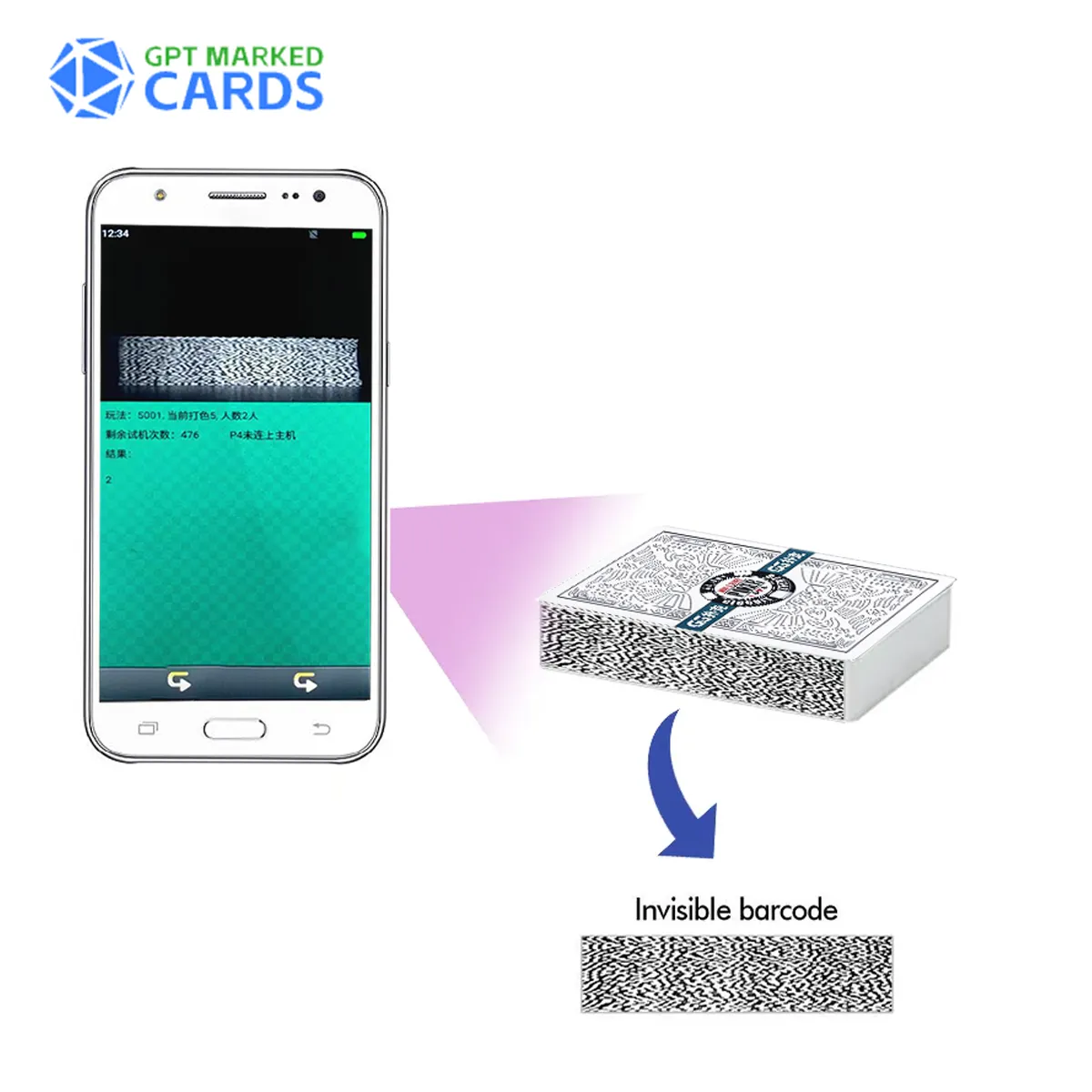
A poker analyzer is an electronic system that integrates three core components: an infrared or camera-based card scanner, a processing unit running proprietary recognition algorithms, and an output interface—typically an earpiece, vibrating discreet worn device, or screen—that communicates results to the operator. When the device scans the back or edge of a marked card, it identifies the card’s value and suit through encoded patterns invisible to the naked eye. The analyzer cross-references this data and delivers predictions or probability assessments within a fraction of a second.

Modern analyzers can process multiple decks simultaneously, support a wide variety of marking systems including barcode, RFID, and infrared-sensitive inks, and adapt their output based on game-specific rules such as Texas Hold’em, Omaha, or custom poker variants. The processing speed, accuracy rate, and number of supported decks vary significantly between entry-level and professional-grade models, making it essential to match the device capabilities with your operational requirements.
Key Factors to Evaluate When Selecting a Poker Analyzer
Scanning Technology and Card Compatibility
The foundation of any poker analyzer is its scanning technology. The most common systems include infrared barcode scanners, RFID reader modules, and magnetic stripe readers. Each technology requires compatible marked cards to function correctly. Before purchasing, confirm that the analyzer supports the marking system you intend to use or supply. Some devices are cross-compatible with multiple marking technologies, which offers greater flexibility for diverse client needs.
Infrared barcode systems work by scanning printed patterns on the card back that reflect infrared light differently than standard printing. RFID-based systems embed microchips into the cards themselves, requiring the scanner to operate within close proximity. Magnetic systems rely on encoded magnetic strips along the card edge. Understanding these distinctions helps you recommend or procure the right combination of hardware and consumables for your customer base.
Processing Speed and Accuracy
In a live game environment, delays are unacceptable. A poker analyzer that takes longer than 0.3 seconds to deliver results may cause missed opportunities or behavioral inconsistencies that raise suspicion. Professional-grade units typically achieve scanning and processing speeds of under 0.2 seconds per card, with accuracy rates exceeding 99.5 percent under normal lighting conditions.
When evaluating models, pay close attention to the processor type, onboard memory, and the sophistication of the recognition algorithm. Some analyzers use proprietary software optimized for specific card designs, while others offer programmable firmware that can be updated as new marking standards emerge. For B2B buyers stocking inventory for resale, models with firmware update capability represent a more future-proof investment.
Form Factor and Concealment
The operational effectiveness of a poker analyzer depends heavily on how discreetly it can be integrated into the gaming environment. Smaller, more compact devices are easier to conceal but may sacrifice processing power or battery life. Larger units with extended battery capacity are suitable for controlled settings where the device can be positioned nearby without detection.
Common form factors include handheld devices that resemble ordinary smartphones, wearable units worn on the body with bone conduction earpiece output, and integrated table systems where the scanner is built into the gaming surface itself. For resellers targeting private club operators, portable concealed models typically command the highest demand. For casino integration projects, table-embedded systems with network connectivity may be more appropriate.
Number of Decks and Multi-Game Support
A critical specification for high-volume operations is the number of decks the analyzer can manage simultaneously. Entry-level models typically support two to four decks, which is sufficient for small private games. Professional setups often require support for eight to twelve decks or more, particularly in environments where multiple tables or rounds are running concurrently.
Multi-game support is another important consideration. If your clients play a variety of poker variants, choose an analyzer that can switch between rule sets without requiring hardware modifications or manual recalibration. Some advanced models allow pre-programming of custom game rules, making them versatile enough to serve diverse customer segments.
Connectivity and Data Logging
Modern poker analyzers increasingly include connectivity features such as Bluetooth, Wi-Fi, and USB data export. These capabilities enable remote monitoring, performance logging, and integration with third-party analytics platforms. For B2B operators managing multiple devices across different locations, analyzers with centralized management software provide significant operational advantages GPT Poker Analyzer.
Data logging functionality allows operators to review past game sessions, analyze patterns, and generate reports. This feature is particularly valuable for training purposes and for demonstrating the reliability of the equipment to prospective clients or partners.
Matching Analyzer Specifications to Client Use Cases
Private gaming clubs typically require portable, battery-powered devices with long standby times and quick deployment capability. Casino integration projects demand rack-mountable or table-embedded units with consistent power supply, network connectivity, and ruggedized construction to withstand continuous use. Tournament organizers need analyzers capable of managing large deck pools and supporting rapid game transitions.
Before finalizing a purchase order, conduct a thorough needs assessment with your end client. Document their typical game size, preferred poker variant, physical environment, and required level of concealment. This information directly informs which technical specifications are non-negotiable and which can be traded off for cost savings.
Power Consumption and Battery Life
Battery life is a frequently overlooked but practically critical factor. An analyzer that requires recharging after four hours of continuous operation creates operational gaps that are difficult to manage in live gaming environments. Professional models typically offer eight to twelve hours of continuous use on a single charge, with some supporting hot-swappable battery modules for zero-downtime operation.
Consider also the charging infrastructure available in the target environment. Some venues have dedicated power supplies built into gaming furniture, while others rely entirely on portable battery-powered operation. Matching the power architecture of the analyzer to the venue’s infrastructure prevents compatibility issues during installation.
Warranty, Support, and Spare Parts Availability
B2B buyers should evaluate the manufacturer’s warranty terms, technical support channels, and availability of spare or replacement parts. Equipment in this category often undergoes wear and tear from continuous field use, and having access to replacement components such as scanners, batteries, cables, and earpieces is essential for maintaining client satisfaction and minimizing downtime.
Reputable suppliers typically offer warranties ranging from six months to two years, with extended coverage available for bulk orders. Establish a relationship with a supplier who provides responsive technical support and can ship replacement parts within 24 to 48 hours for critical failures.
Conclusion
Choosing the right poker analyzer is a multi-dimensional decision that balances scanning technology, processing performance, form factor, connectivity, and operational support. By understanding the specific requirements of your target market and carefully matching them to the technical capabilities of available models, you can make procurement decisions that deliver long-term value to your clients and sustained profitability to your business. Invest the time in thorough specification comparison and supplier due diligence, and you will be well positioned to serve the evolving needs of the private gaming industry with confidence and technical authority.
Frequently Asked Questions
What types of marked cards are compatible with most poker analyzers?
Most poker analyzers on the market are compatible with barcode marked cards, RFID-embedded cards, and infrared-sensitive marked cards. The specific compatibility depends on the scanner technology built into the analyzer. Cross-compatible models that support multiple marking systems are available for operators who work with different card types.
How long does it take to scan and process a card with a professional-grade analyzer?
Professional-grade analyzers typically complete scanning and processing within 0.15 to 0.3 seconds per card. High-performance models can achieve sub-0.2-second speeds, which is fast enough to deliver results between deals without causing noticeable delays.
Can a single analyzer manage multiple decks simultaneously?
Yes. Many mid-range and professional analyzers support between four and twelve decks simultaneously. The exact number depends on the model. For large-scale tournament or club operations, multi-deck support is a critical specification to verify before purchase.
What is the typical battery life of a portable poker analyzer?
Portable models typically provide eight to twelve hours of continuous operation on a full charge. Some units support hot-swappable batteries for extended runtime. Battery life varies by model, processor intensity, and connectivity features in use.
Do poker analyzers require firmware updates?
Many modern analyzers feature firmware update capability through USB or Bluetooth connectivity. Firmware updates may be released to improve accuracy, add support for new marking technologies, or patch identified vulnerabilities. Models with programmable firmware offer greater long-term adaptability compared to fixed-function devices.